• Visit
  • What’s On
  • Learning & Research
  • About
  • SFU Art Collection

Open

Wednesday–Sunday, 11AM–5PM

Always Free

Support the Gibson

8888 University Drive

Burnaby, British Columbia

Canada V5A 1S6

778-782-4266

Open

Wednesday–Sunday, 11AM–5PM

Always Free

VisitGetting HereAccessibilityContactShop
Learning & ResearchUniversity Students & FacultyK–12 LearningKids & FamiliesTeen Art Lab
What's OnCurrentUpcomingArchive
AboutTeam & GovernanceSupportOpportunitiesFacility Rentals
SFU Art CollectionRecent AcquisitionsPublic Art

exhibition

upcoming
Oct 3, 2026–Feb 14, 2027

Martin Bartlett

Begin Anywhere

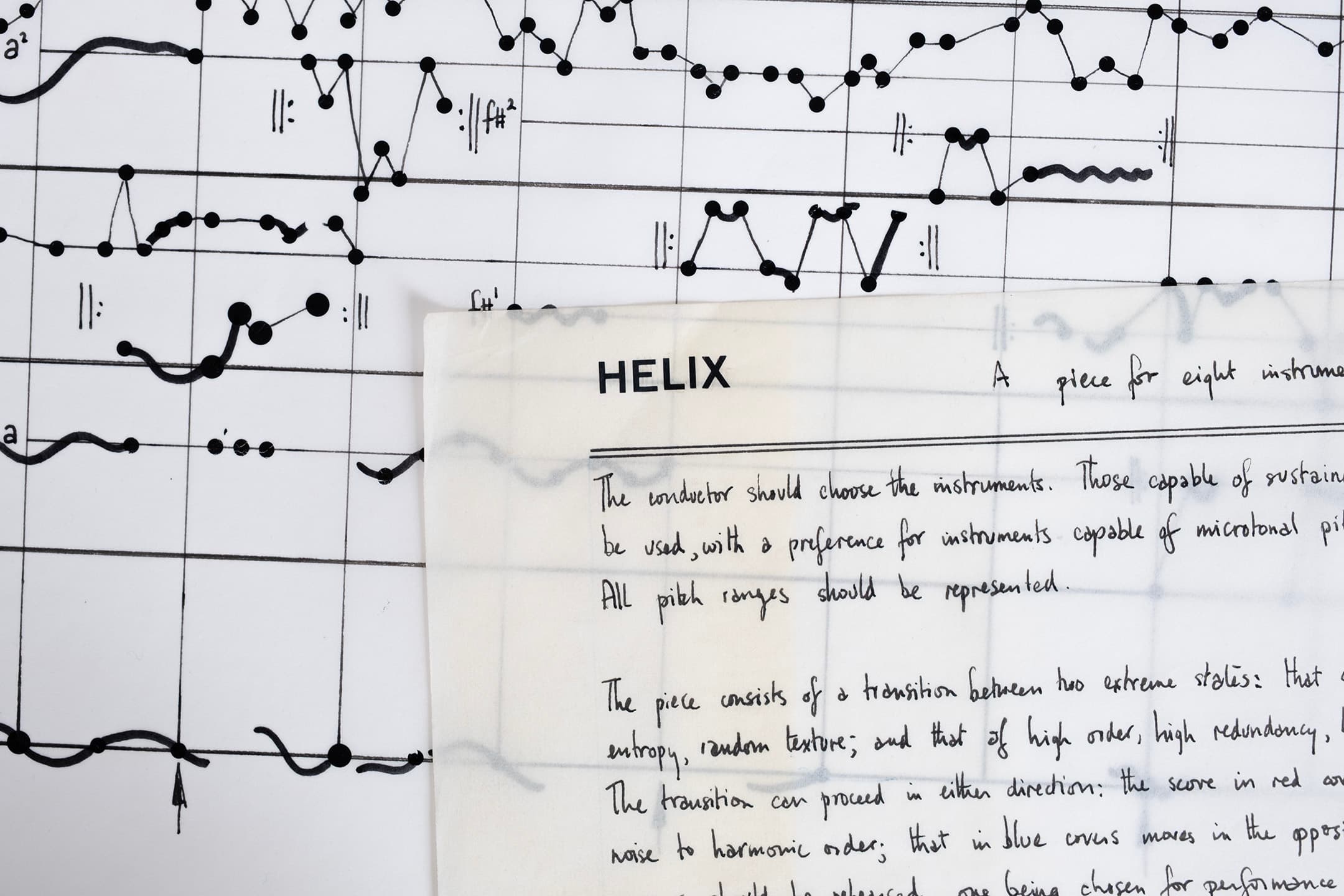
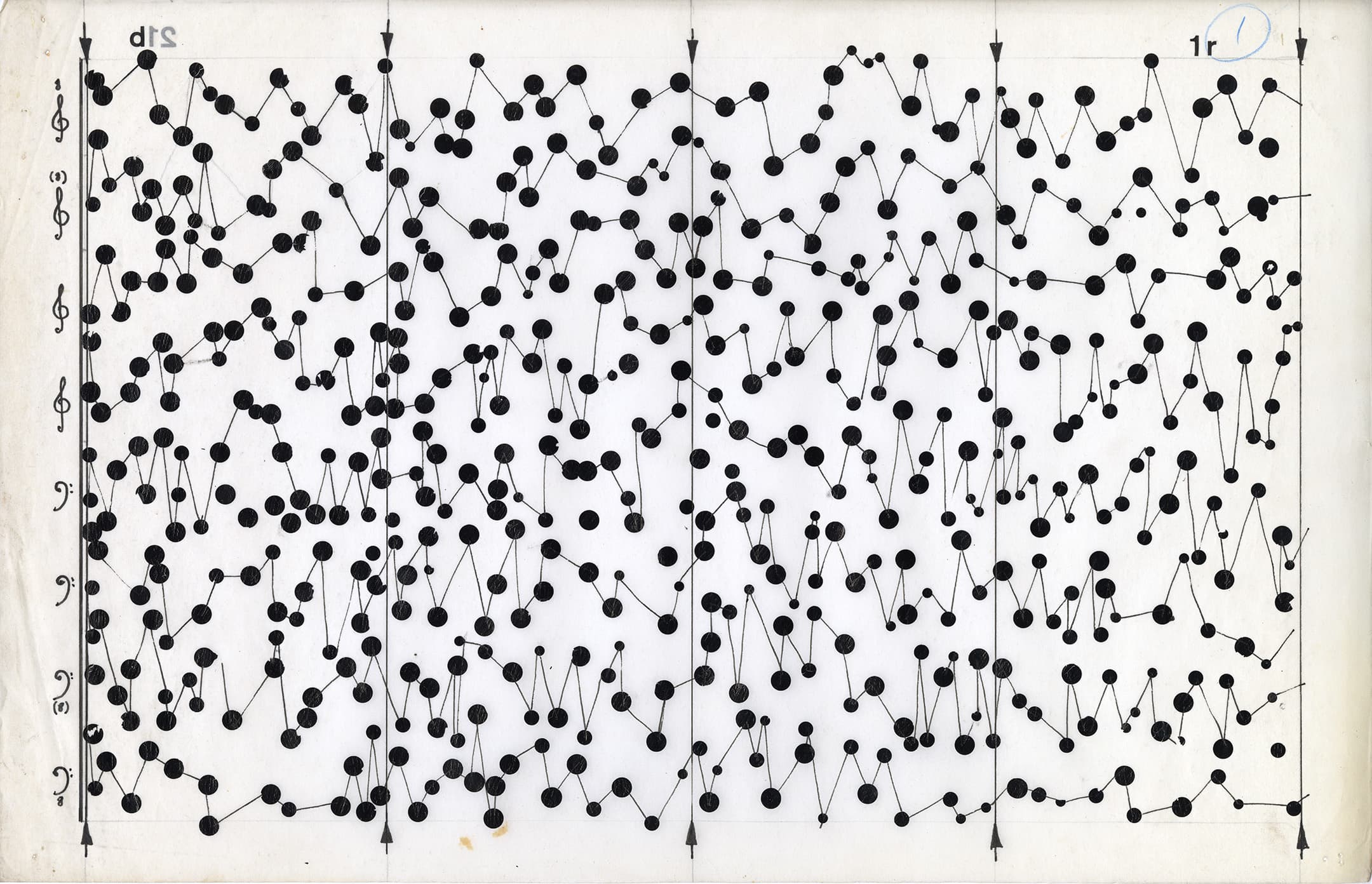
A detailed black-and-white image featuring a complex network of black circles connected by thin lines. The circles vary in size and density, creating a scattered pattern across the page. On the left side, there are musical notations and symbols. The overall composition has a grid-like structure with some vertical and horizontal markers, which provides a sense of organization amidst the complexity of connections.

Martin Bartlett, page from the score of Helix, 1973. Courtesy the Martin Bartlett Collection, Special Collections and Rare Books, SFU Library.

SFU Library

Begin Anywhere explores the life and work of the late electro-acoustic composer and SFU professor Martin Bartlett (1939-1993). Bartlett’s groundbreaking practice made tremendous impacts in the fields of computer-performer interactivity, experimental tunings, and analogue and computer-driven synthesizer creation. Unlike that of his mentors and colleagues such as John Cage, Pauline Oliveros, or David Tudor, however, Bartlett’s work remains largely unexamined. 

Bartlett was a pivotal figure in Vancouver’s artistic and cultural landscape and his influence extended across experimental music, artist-run culture, and arts education. He was one of the first openly gay composers of his generation. As a co-founder of the Western Front, he helped establish the collaborative, interdisciplinary ethos that has shaped Vancouver’s contemporary art scene. His founding of the Vancouver Community Gamelan and introduction of Indonesian musical traditions to SFU’s School for the Contemporary Arts brought non-Western musical traditions directly into the academic environment, encouraging a model of learning grounded in embodied practice, cross-cultural exchange, and community participation. He was an intrepid sailor, traveller, and cook, and these interests also permeated his artistic practice. 

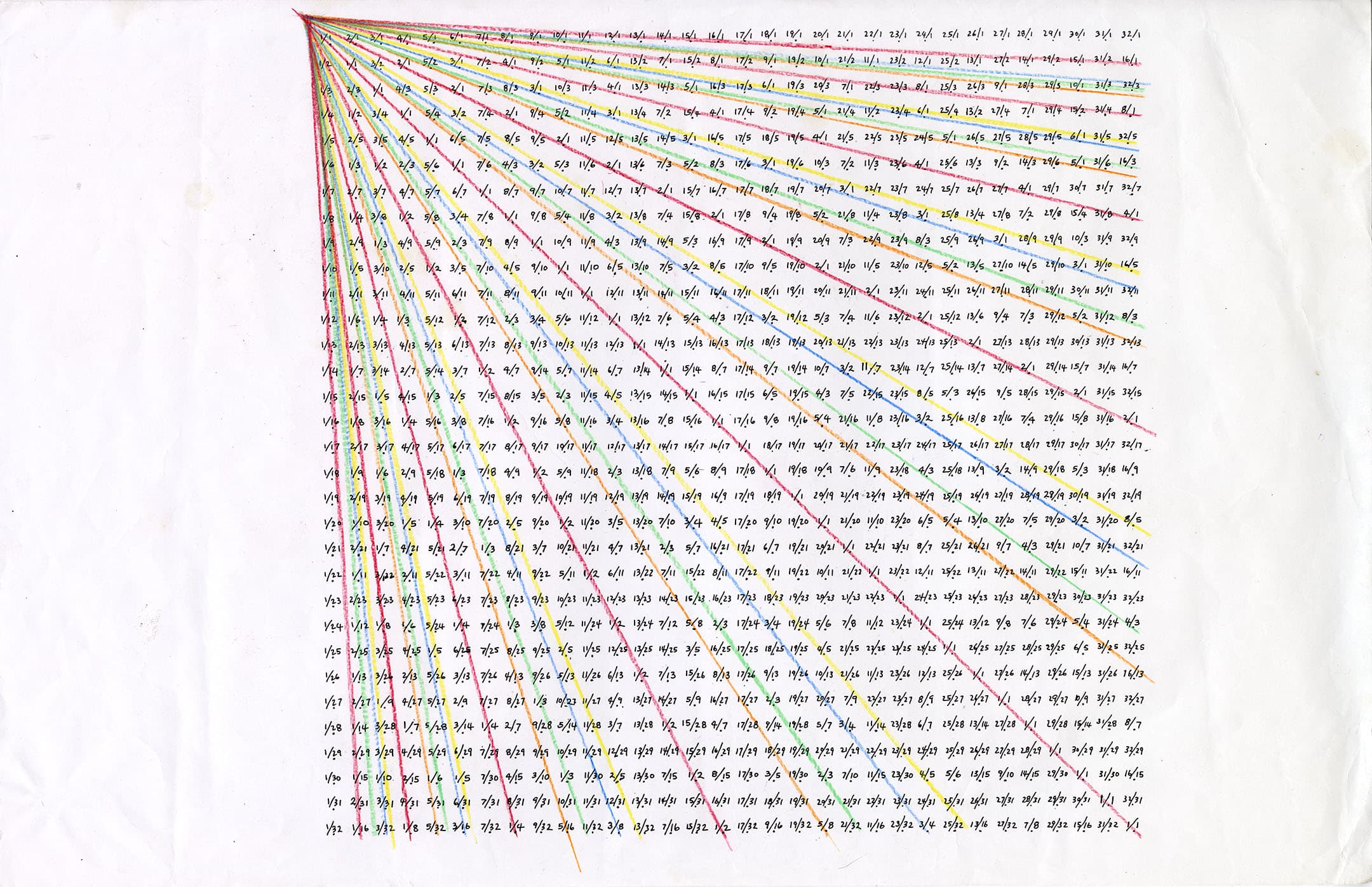
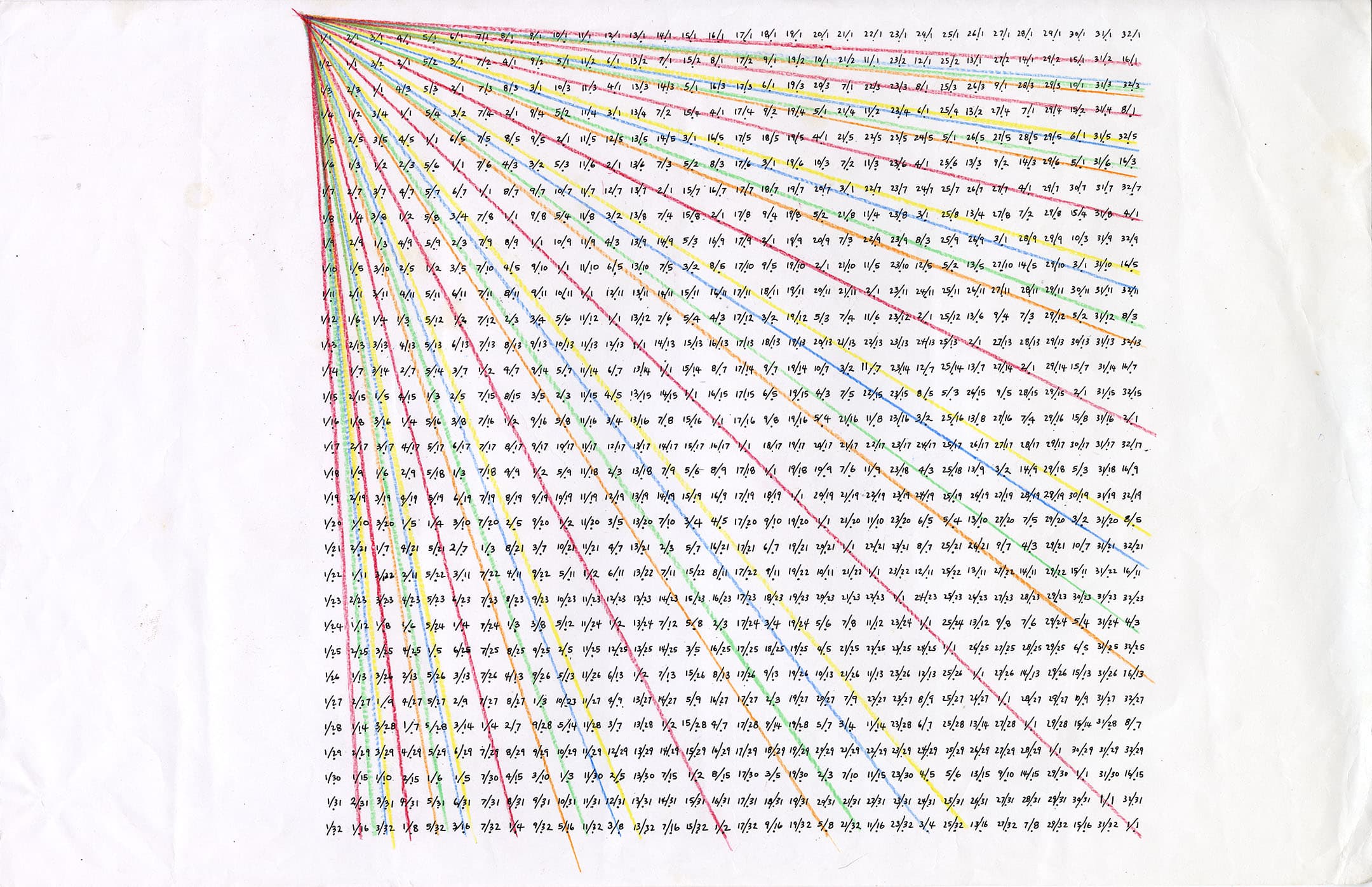
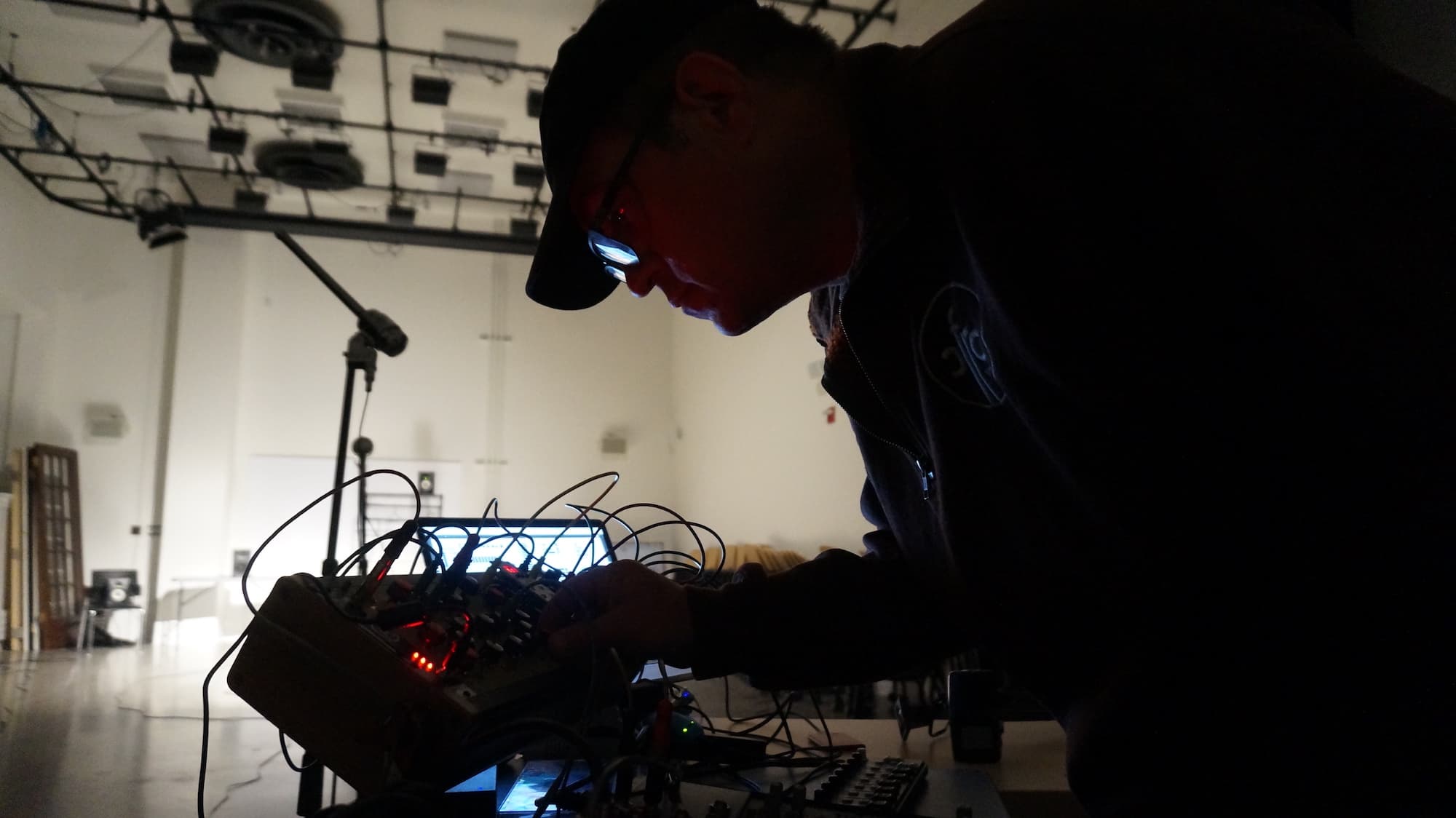
Begin Anywhere brings together materials that span the breadth of Bartlett’s professional life, from his MA thesis at Mills College in California (1968) to the last compositions completed before his death from AIDS-related complications in 1993. The exhibition includes Bartlett’s unique hand-built analogue modular synthesizer (dubbed the “Black Box”) and his rare Buchla 400 synthesizer, along with a series of scores, drawings, notes, photographs, and other ephemera, as well as a recent filmic portrait of Bartlett by Glasgow-based artist Luke Fowler. 

“One of the unique qualities of music,” Bartlett argued in a 1972 Canada Council grant report, “is that it doesn’t hang around, taking up space. The moment passes, the forms dissolve, the energy is released and sound sinks back into silence.” Bartlett’s commitment to live performance and community activity meant that that his work is more transient than that of others. He was not precious about his legacy, but fiercely passionate about the democratizing potential of improvisation within the then-new electronic musical frontiers. Revealing Bartlett’s expansive and restless mind, his resistance to the restrictions of Western music conventions, and his commitments to the possibility of radical access to music creation, Begin Anywhere opens a window to this composer and educator’s profound resonance in our contemporary moment.  

Curated by Charles Colburne, María Estrada Piñera, and Blqees Zuhair, with curatorial guidance from David MacWilliam 

Organized in partnership with SFU Special Collections and Rare Books

Generously supported by Coleen and Howard Nemtin and Friends of the Gibson

Related Programs

  • EventFall ExhibitionOpening Reception

Artists

  • Martin Bartlett
  • Luke Fowler

Contributors

  • David MacWilliam
  • Charles Colbourne
  • Maria Estrada
  • Blqees Zuhair

Exhibition Partners

Special Collections and Rare Books

Event Partners

Arterra Wines Canada
Black logo for Parallel 49 Brewing Company, featuring bold text with "PARALLEL" at the top and "BREWING COMPANY" at the bottom, along with a graphic of a maple leaf and stylized arrows.

Supporters

CCA logo
British Columbia Arts Council logo


Images (4)

SFU Media
SFU Media
SFU Media
SFU Media

Martin Bartlett (1939–1993) was a musician, composer, performer, writer, and educator who lived in Vancouver, Canada. He was the co-founder of Western Front, the Electronic Music Studio at Simon Fraser University, and the founder of the Vancouver Community Gamelan. A pioneer of electroacoustic music, Bartlett’s compositions frequently featured aleatoric elements and his performances were often collaborative in nature.

Bartlett joined the faculty at Simon Fraser University's then-titled Centre for the Arts (now School for the Contemporary Arts) in 1983. At SFU, he played a key role in shaping the early development of experimental and interdisciplinary arts education, helping to establish approaches that integrated composition, performance, technology, and cross-cultural practice.  Bartlett was instrumental in embedding electronic and electroacoustic music within SFU’s curriculum. His teaching emphasized open-ended, collaborative, community- and process-based practices, reflecting influences from figures such as John Cage and Pauline Oliveros, and helping to cultivate a distinctly interdisciplinary ethos within the School. Equally significant was his role in expanding the cultural and conceptual scope of the program. Bartlett brought non-Western musical traditions directly into the academic environment, encouraging a model of learning grounded in embodied practice, cross-cultural exchange, and community participation.

Luke Fowler lives and works in Glasgow. Fowler questions the style and political implications of conventional modes of documentary through a varied practice which encompasses film, sound, installation and photography. He is concerned with finding new ways to meaningfully engage with marginal cultural figures as well as spaces and archive materials through the medium of 16mm film. His moving image works have charted an alternative history of Britain as well as considering significant international musicians and artists – revisiting the work of Margaret Tait, R. D. Laing, Patrick Cowley, and Brunhild Ferrari, amongst others. He was nominated for the Turner Prize in 2012 and received the inaugural Derek Jarman Award in 2008. In 2014, MACK published Fowler’s first monograph of his Photo Archive. Fowler’s ‘Mum’s Cards’ was awarded the 2019 Scottish Short Film Award at Glasgow Short Film Festival and the prize for Best Short at Punto de Vista International Documentary Film Festival of Navarre, Spain. And his ‘Being in a Place: A Portrait of Margaret Tait’ was awarded the La Scam International Award 2023 at Cinéma du Réel. 

David MacWilliam is an artist, educator, writer, and curator. For over 40 years, his broad art practice has produced exhibitions, books, essays, and curatorial projects. MacWilliam was born in Halifax, and grew up in Victoria. In 2017, he co-curated Entangled: Two Views on Contemporary Canadian Painting with Bruce Grenville for the Vancouver Art Gallery. In 2018, he curated Robin Peck: Crania at Or Gallery, Vancouver. In 2020, he curated Now Bulletin: Artworks, Letters and Printed Matter from the Garry Neill Kennedy Collection for Griffin Art Projects, North Vancouver. MacWilliam is a Professor Emeritus in the Audain Faculty of Art at Emily Carr University of Art + Design where he taught from 1988 to 2017. 

Charles Colbourne is a writer and curator based in Vancouver, BC. His practice often looks to an expansive and interdisciplinary definition of literatures. He completed his Bachelor of Arts with a major in English and a double minor in History and Gender, Sexuality and Women’s studies at Simon Fraser University in 2026. 

María Estrada is a Mexican filmmaker, film scholar, and art historian based in Burnaby, British Columbia. Her practice bridges curation, education, and film production. She has produced independent films in Canada and Mexico, including Menarca, recipient of a FOCINE grant and official selection for the Tlaxcala International Film Festival (FICTLAX), and has led public film programming in Mexico City as well as community and educational initiatives with the National Museum of Art. She joined the Gibson's curatorial team in January 2026, where she is contributing to the research and development of Here to Play: Variation for Sixteen Hands and Begin Anywhere, opening in Fall 2026. María is currently pursuing a Master of Arts in Contemporary Art at Simon Fraser University, where her research explores identity in contemporary Mexican coming-of-age cinema. She holds a Bachelor of Arts in Art History and Visual Studies with a minor in Film Studies from the University of Victoria, following film and television studies at Centro de Diseño, Cine y Televisión in Mexico City. 

Blqees Zuhair is a Libyan architect and multidisciplinary artist interested in curatorial studies, working between Tripoli and Vancouver. Her practice draws on architectural methods, photography, and site-based research to explore how space, memory, and social life are shaped by their surrounding contexts. She engages with archives, built heritage, and contemporary cultural practices to examine how local histories are produced and narrated. She holds a BA in Architecture from ARCHIP in Prague and is currently pursuing a Master of Arts in Contemporary Arts at Simon Fraser University.

In 2020, she co-curated Kashkoul of Collective Resistance with Waraq in Tripoli, a publication project developed amid ongoing conflict and pandemic, followed by Shifting Sands project, which commissioned and mentored new work by emerging Libyan artists, architects, and researchers. She later collaborated with Locale on Until We Meet Publication (2021–2023), exploring shared histories and emotional geographies across Libyan and Sudanese contexts. Her residency at Delfina Foundation, London, expanded her ongoing project The Shore is the Land (2019–present), investigating migration, coastal rituals, and memory. Currently she is developing research on archival practices through Archive as Relation; The Land as a Living Dictionary, exploring alternative and decolonial approaches to archiving.