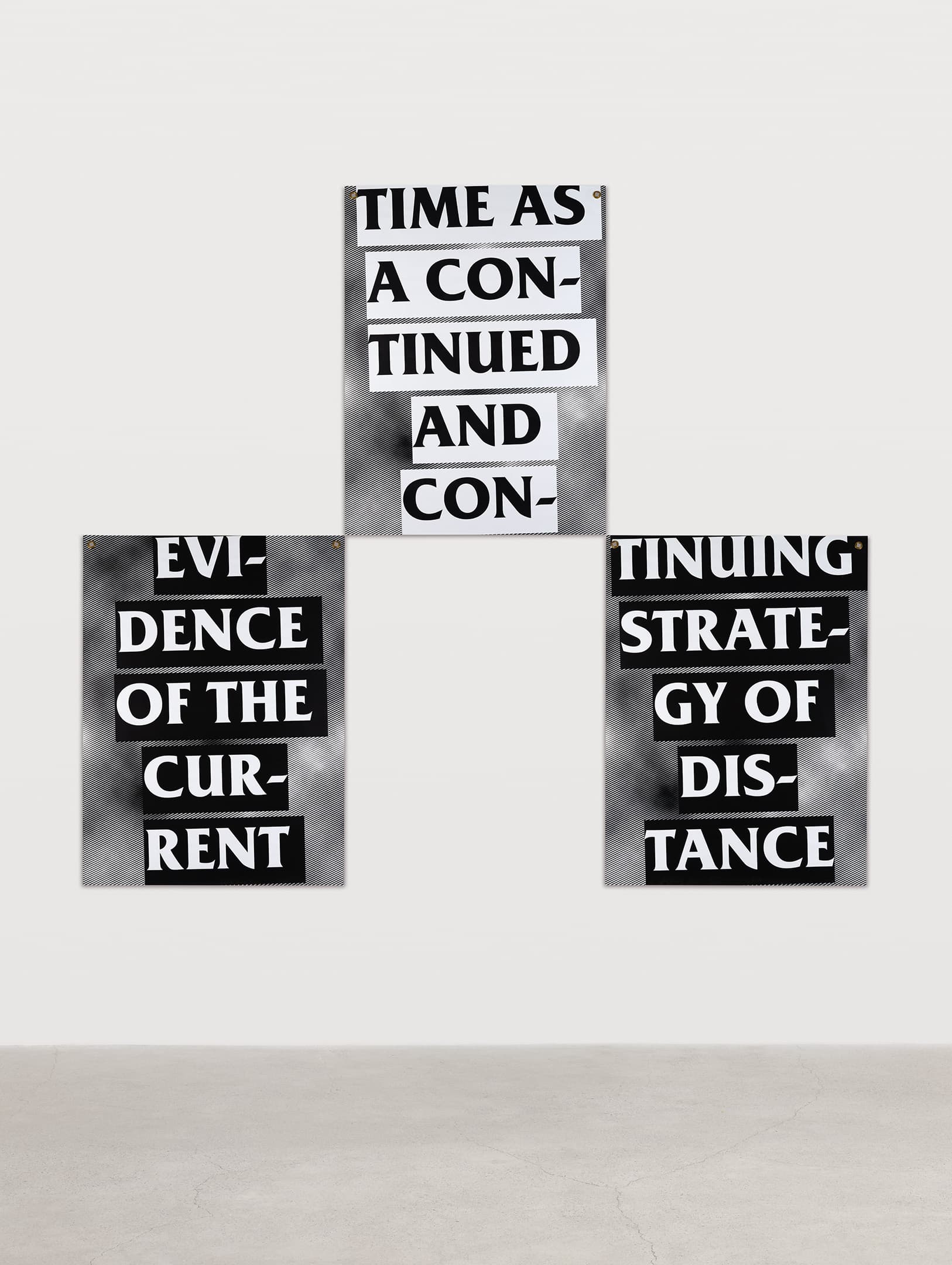
Raymond Boisjoly lives and works in Vancouver. His work has been exhibited in Vancouver at Presentation House Gallery, Catriona Jeffries Gallery, Centre A and Vancouver Art Gallery, as well as at Toronto's The Power Plant and Western Bridge in Seattle.
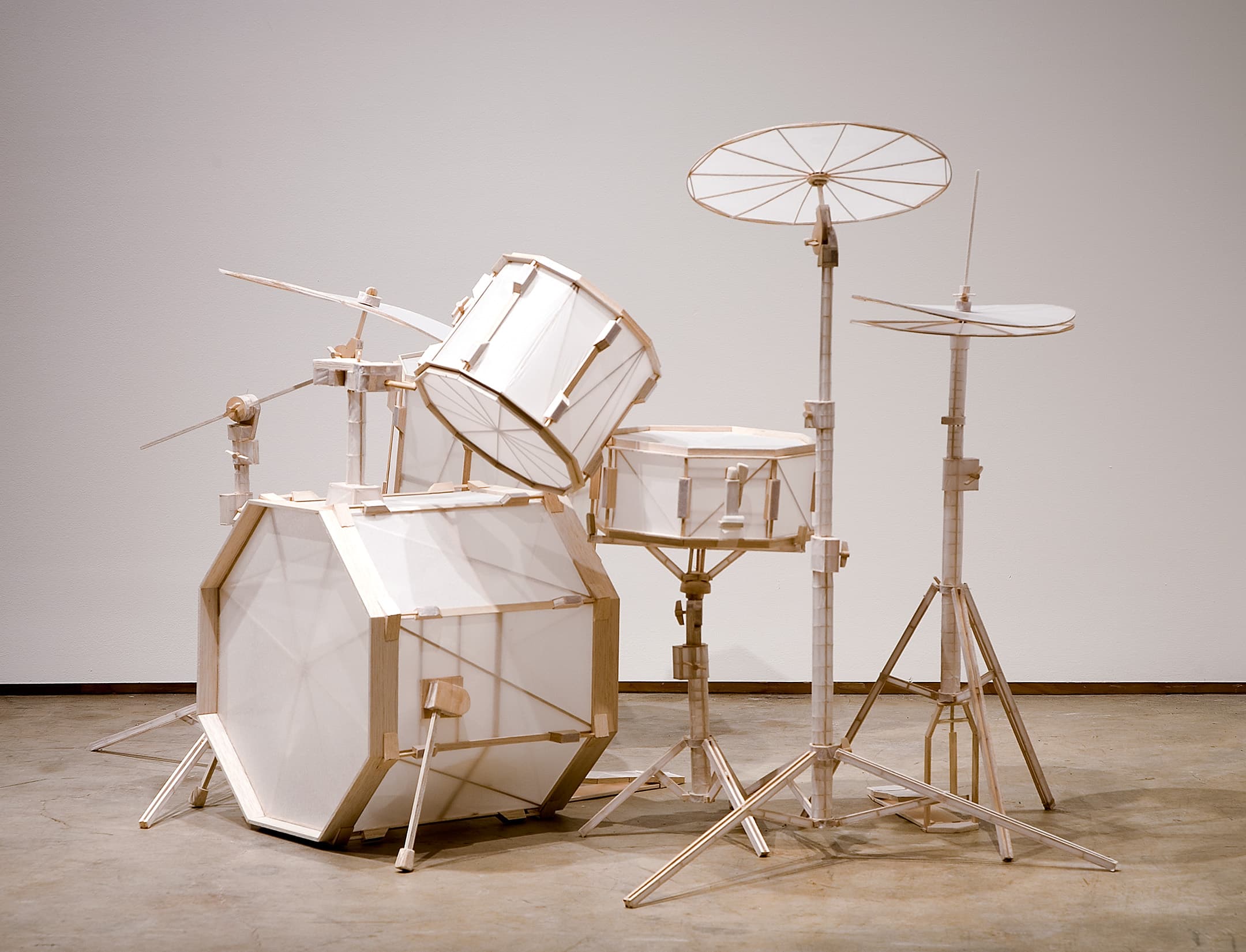
Steven Brekelmans received a Diploma in Media Art from Emily Carr Institute of Art + Design in 1998, and an MFA from the University of Victoria in 2012. Recent solo exhibitions include Half Hours with the Stars, Monica Reyes Gallery, 2024; New Drawings of Bottles, Cans, Hats, Cheese, Sculptures, Posters, Casseroles, Azaleas, Canes, Flags, Trash Bins, Cacti, Glasses, Lighters, Mirrors, Chernoff Fine Art (2019); One Man Band, Dynamo Art Gallery, 2018; Flesh & Blood, Or Gallery, 2015. His recent group exhibitions include, We Do Not Work Alone, Nanaimo Art Gallery, 2021; The Artist’s Studio is Her Bedroom, Contemporary Art Gallery, 2020; Ionic Bonds, Kamloops Art Gallery, 2019. He has also completed several major works of public sculpture installed in Vancouver (Hinge Park at Olympic Village), Burnaby (Metrotown Skytrain Station), and Port Moody.
Amber Frid-Jimenez is an artist whose work examines the aesthetics and circulation of images and text through the misuse of technology. Her work takes the form of installation, video, painting, printmaking, code, and artist's books. Across this range, she uses contemporary technologies such as machine learning to revisit moments from art and cultural histories, exploring how processes of algorithmic and material translation transform meaning. She has exhibited in Canada at the Vancouver Art Gallery, where her work is in the permanent collection, the Morris and Helen Belkin Gallery; the Cabinet at Simon Fraser University; Griffin Art Projects; and Mónica Reyes Gallery. She has shown her work internationally at the Queens Museum, New York; Casco Projects, Utrecht; Maison Européenne de la Photographie, Paris; A Foundation, Liverpool; Medialab Prado, Madrid; Ars Electronica, Linz; and Jan van Eyck Academie, Maastricht. Frid-Jimenez is an Associate Professor at Emily Carr University of Art + Design, where she directs the Studio for Extensive Aesthetics and was a Canada Research Chair in Art and Design Technology from 2014 to 2024. She has taught at the MIT Program in Art, Culture and Technology, Rhode Island School of Design, Brown University, and Bergen Academy of Art and Design. She holds an MSc in Media Arts and Sciences from MIT, and a BA (Hons) in Art and Philosophy from Wesleyan University.
For fifty years, Rodney Graham pulled at the threads of cultural and intellectual history through photography, film, music, performance and painting. Graham was born in Abbotsford, British Columbia, Canada in 1949 and died in Vancouver, Canada in 2022. He had solo exhibitions at the Serlachius Museum Gösta, Mänttä, Finland (2020); Museum Frieder Burda, Baden-Baden, Germany (2017); Museum Voorlinden, Wassenaar, Netherlands (2017); BALTIC Centre for Contemporary Art, Gateshead, UK (2017); Le Constortium, Dijon, France (2016); Sammlung Goetz, Munich, Germany (2015); Charles H. Scott Gallery, Emily Carr University of Art and Design, Vancouver, Canada (2014); Vancouver Art Gallery, Canada (2012); Museum der Moderne, Salzburg, Austria (2011); Museu D’Art Contemporani de Barcelona, Spain (2010); Jeu de Paume, Paris, France (2009); Museum of Contemporary Art Los Angeles, CA, USA (2004); Whitechapel Art Gallery, London, UK (2002); Hamburger Bahnhof, Berlin, Germany (2001); and Kunsthalle Wien, Vienna, Austria (1999). He participated in group exhibitions such as the Carnegie International (2013), the 13th, 14th and 17th Sydney Biennales, Australia (2002, 2006, 2010), the Whitney Biennial, New York, USA (2006) and the Biennale d’Art contemporain de Lyon, France (2003). He represented Canada at the 47th Venice Biennale, Italy (1997) and among awards he received the Gershon Iskowitz Prize, Toronto, Canada (2004), the Kurt Schwitters-Preis, Niedersächsiche Sparkassenstiftung, Germany (2006), and the Audain Prize for lifetime achievement in visual arts, British Columbia, Canada (2011). Rodney Graham was appointed as an Officer of the Order of Canada in 2016 for his contributions to Canadian contemporary art.
An interdisciplinary artist, writer, performer, and filmmaker, Carole Itter was born in Vancouver and has lived on the West Coast for most of her life. She began her studies at the University of British Columbia (1958, 1963), and continued at the Vancouver School of Art (1959 – 1963), where she learned from Don Jarvis, Bruce Boyd, and, most notably for Itter, Roy Kenzie Kiyooka. She studied theatre design and drawing at Accademia di Belle Arti in Rome (1964). Throughout her studies, Itter supported herself by working in Vancouver’s only professional theatrical scene shop for several months of each year. This experience made a permanent impression on her artistic practice.
Itter has held solo exhibitions at Western Front (1984), the Vancouver Art Gallery (1991), Or Gallery (1995), grunt gallery (2000, 2007), and the Georgia Art Studio (2022). Her work has been presented in many group exhibitions, including WACK! Art and the Feminist Revolution at the Vancouver Art Gallery in 2008, which exhibited photographic enlargements from her publication The Log’s Log (1973).
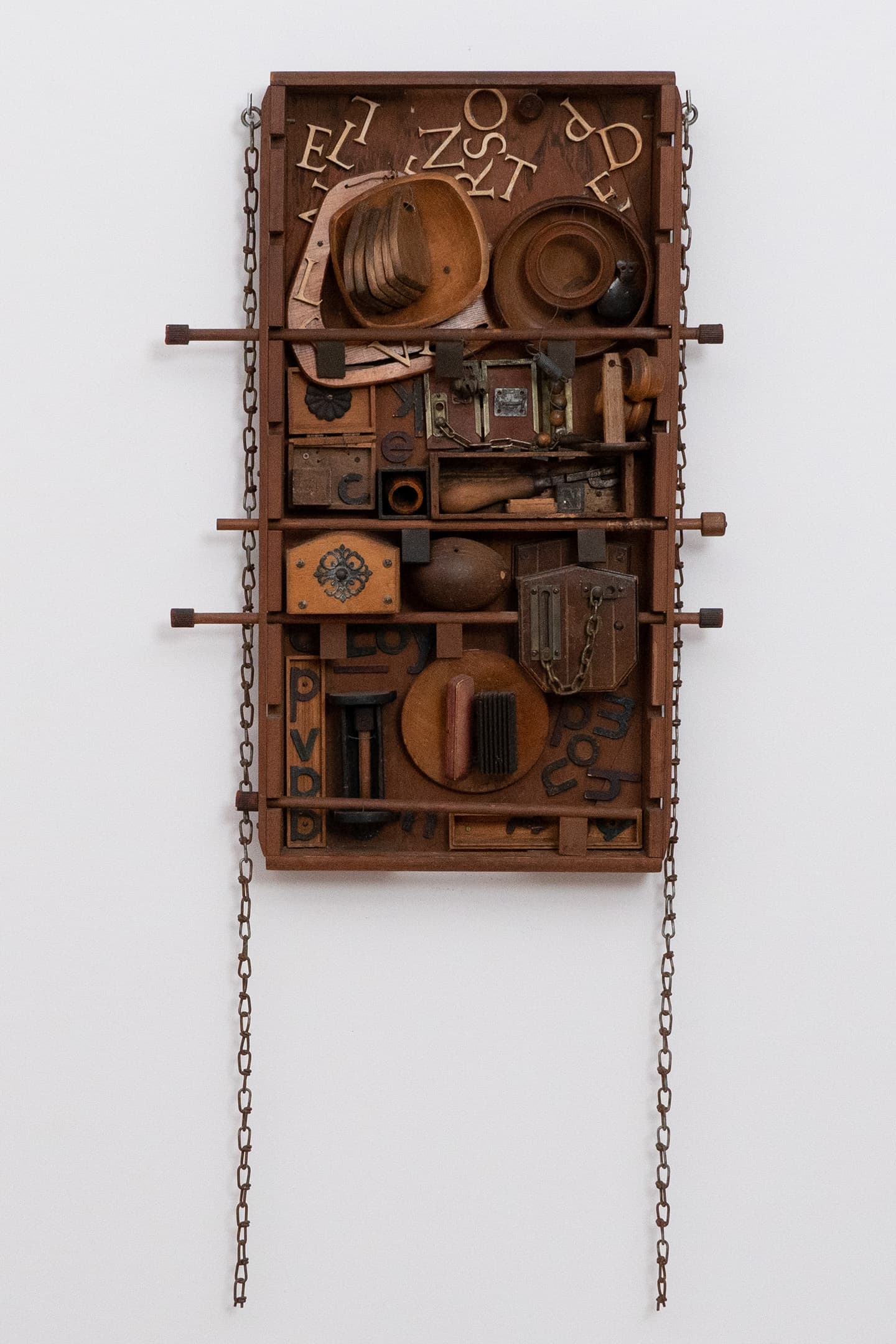
Itter collaborated with poet and novelist Daphne Marlatt to compile Opening Doors: Vancouver’s East End: Strathcona (1979), an archive of oral history of Vancouver’s Strathcona neighbourhood, where Itter and Marlatt continue to live and work. She has also produced a book of short stories, Whistle Daughter Whistle (1982); and three artist books: The Log’s Log (1973); Location: Shack (1986); and Western Blue Rampage (1990). Itter’s films include The Float (1993) with cinematographers Trudy Rubenfeld and Luke Blackstone; A Fish Film (2003), with cinematographer and co-director Bo Myers; Tarpaulin Pull (2006), with cinematographer Krista Lomax; Inlet (2009), with editor Krista Lomax; Please Meet the Geese Who Have Lived Here Forever (2019), with cinematographer and editor Allison Hrabluik; and 400 Miniature Geese on a Moving Inlet (2022), with emerging cinematographer Esther Rausenberg and additional support from Allison Hrabluik. Itter collaborated extensively with composer, pianist, and multi-media artist Al Neil from 1979 until he was in his 80s. Neil died in 2017 at age 93.
Itter was honoured with the VIVA Award in 1989 and the Audain Prize for Lifetime Achievement in the Visual Arts in 2017.
Khan Lee was born in Seoul, Korea, and lives and works in Vancouver, BC. He studied architecture at Hongik University, before immigrating to Canada to study fine art at Emily Carr Institute of Art and Design; in 2023, he received his MFA from Bard College, Annandale-on-Hudson, NY. Lee works in sculpture, installation, performance, media, drawing and painting, with permanent public artworks in Vancouver and the lower mainland. His practice involves experimentation with form and process in order to express inherent relationships between material and immaterial content. He is a founding member of the Vancouver-based artist collective Intermission and is presently a member of Instant Coffee artist collective. His work has been exhibited nationally and internationally, and is included in the permanent collection of the Vancouver Art Gallery.
Lauraine Mak is an artist based in Vancouver on the unceded territories of the xʷməθkʷəy̓əm (Musqueam), Sḵwx̱wú7mesh (Squamish), and səlilwətaɬ (Tsleil-Waututh) Nations. Her multidisciplinary practice engages philosophical questions through painting, sculpture, moving image, and installation. Drawing on systems of measurement, repetition, language, and commodity culture, her work examines how structures of logic and value shape contemporary visual experience. Mak holds a BFA from Emily Carr University of Art and Design and an MFA from Simon Fraser University. She was a guest student at Kunstakademie Düsseldorf under Rita McBride. Her work has been exhibited internationally, including in Austria, Germany, Korea, Hong Kong, and Canada. In 2026, she presented a solo exhibition at Medrar for Contemporary Art in Cairo and will present a solo exhibition at Wil Aballe Art Projects in Vancouver in October.
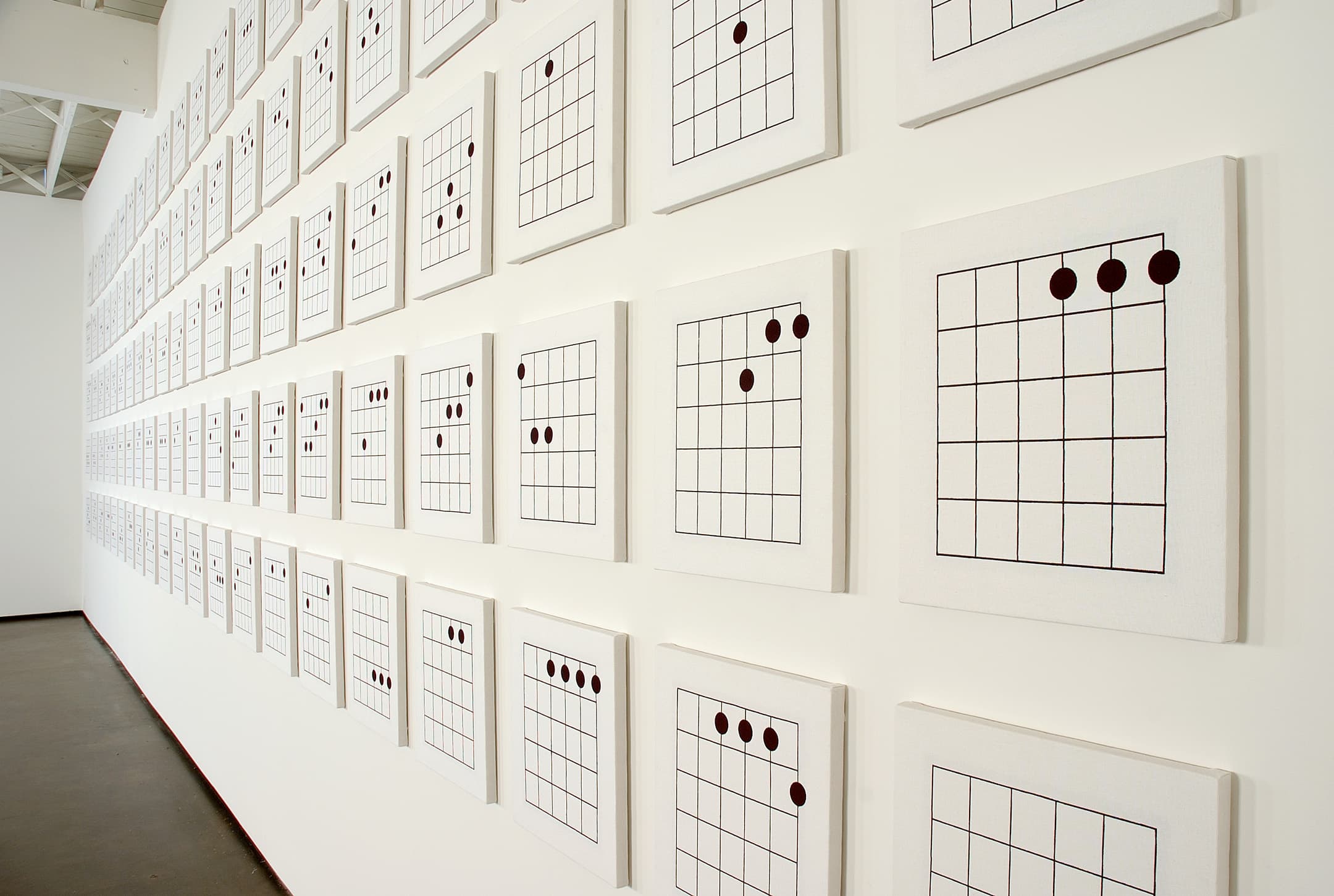
Kathy Slade is a Vancouver-based artist, writer, curator, editor, and publisher. Slade’s solo exhibitions include Famille Rose, Cabinet Gallery, London (2026); As the sun disappears and the shadows descend from the mountaintops, Contemporary Art Gallery, Vancouver (2023); Wherever You Go, Monica Reyes Gallery, Vancouver (2020); and This is a Chord. This is Another., Surrey Art Gallery (2018). Her work has recently been exhibited in group exhibitions at institutions and galleries such as The Morris and Helen Belkin Gallery, Vancouver (2026); Temple Bar Gallery + Studios, Dublin, IE (2020); and Kunstverein Braunschweig, DE (2020). Slade was the curator of the 2019 Vancouver Art Book Fair and was the Founding Editor of the Emily Carr University Press (2005-2018). Together with Kay Higgins, Slade runs Publication Studio Vancouver. In 2009, Slade was awarded the VIVA Award from the Jack and Doris Shadbolt Foundation for the Visual Arts. She currently teaches at the School for the Contemporary Arts at Simon Fraser University.
Charles Colbourne is a writer and curator based in Vancouver, BC. His practice often looks to an expansive and interdisciplinary definition of literatures. He completed his Bachelor of Arts with a major in English and a double minor in History and Gender, Sexuality and Women’s studies at Simon Fraser University in 2026.
María Estrada Piñera is a Mexican filmmaker, film scholar, and art historian based in Burnaby, British Columbia. Her practice bridges curation, education, and film production. She has produced independent films in Canada and Mexico, including Menarca, recipient of a FOCINE grant and official selection for the Tlaxcala International Film Festival (FICTLAX), and has led public film programming in Mexico City as well as community and educational initiatives with the National Museum of Art. She joined the Gibson's curatorial team in January 2026, where she is contributing to the research and development of Here to Play: Variation for Sixteen Hands and Begin Anywhere, opening in Fall 2026. María is currently pursuing a Master of Arts in Contemporary Art at Simon Fraser University, where her research explores identity in contemporary Mexican coming-of-age cinema. She holds a Bachelor of Arts in Art History and Visual Studies with a minor in Film Studies from the University of Victoria, following film and television studies at Centro de Diseño, Cine y Televisión in Mexico City.
Blqees Zuhair is a Libyan architect and multidisciplinary artist interested in curatorial studies, working between Tripoli and Vancouver. Her practice draws on architectural methods, photography, and site-based research to explore how space, memory, and social life are shaped by their surrounding contexts. She engages with archives, built heritage, and contemporary cultural practices to examine how local histories are produced and narrated. She holds a BA in Architecture from ARCHIP in Prague and is currently pursuing a Master of Arts in Contemporary Arts at Simon Fraser University.
In 2020, she co-curated Kashkoul of Collective Resistance with Waraq in Tripoli, a publication project developed amid ongoing conflict and pandemic, followed by Shifting Sands project, which commissioned and mentored new work by emerging Libyan artists, architects, and researchers. She later collaborated with Locale on Until We Meet Publication (2021–2023), exploring shared histories and emotional geographies across Libyan and Sudanese contexts. Her residency at Delfina Foundation, London, expanded her ongoing project The Shore is the Land (2019–present), investigating migration, coastal rituals, and memory. Currently she is developing research on archival practices through Archive as Relation; The Land as a Living Dictionary, exploring alternative and decolonial approaches to archiving.
.jpg&w=3840&q=75)



.jpg&w=3840&q=75)