• Visit
  • What’s On
  • Learning & Research
  • About
  • SFU Art Collection

Closed

Wednesday–Sunday, 11AM–5PM

Closed for installation

Always Free

Support the Gibson

8888 University Drive

Burnaby, British Columbia

Canada V5A 1S6

778-782-4266

Closed

Wednesday–Sunday, 11AM–5PM

Closed for installation

Always Free

VisitGetting HereAccessibilityContactShop
Learning & ResearchUniversity Students & FacultyK–12 LearningKids & FamiliesTeen Art Lab
What's OnCurrentUpcomingArchive
AboutTeam & GovernanceSupportOpportunitiesFacility Rentals
SFU Art CollectionRecent AcquisitionsPublic Art

talk

past
Jan 14, 2026–Feb 11, 2026

Edges

Test Kitchen

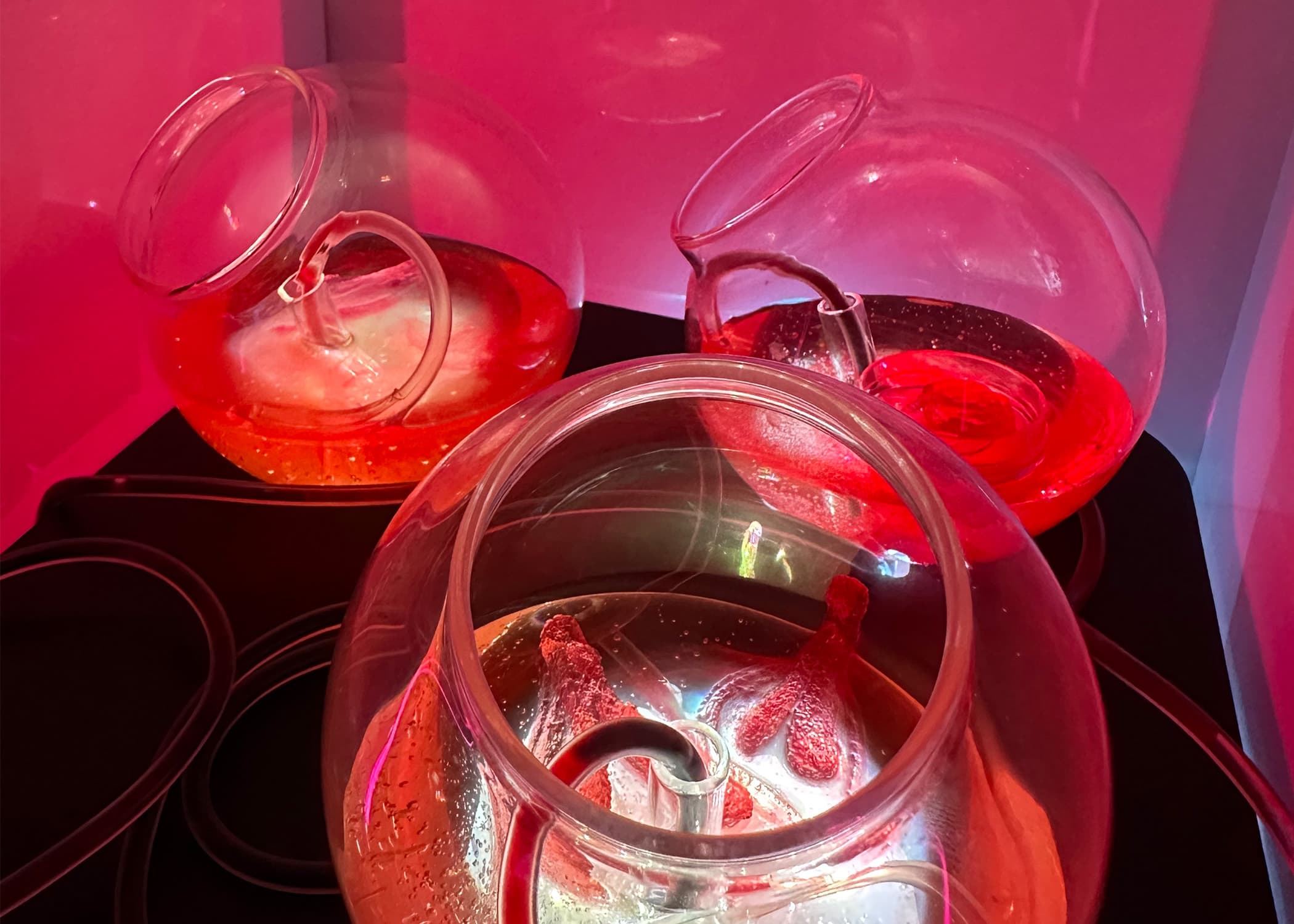
Three glass bowls filled with colorful liquids are arranged on a black surface. The bowls are slightly tilted, revealing one with an orange liquid, one with a red liquid, and another with a clear liquid that has hints of red. A tube connects to each bowl, and vibrant colored lighting, primarily in pink, creates a glowing effect around them.

WhiteFeather Hunter, IMARA – Interstitial Machine for Aggregate Reparative Anatomies, 2025. 3D bioprinted in vitro clitorises, tubing with blood, glassware, LED light box.

WhiteFeather Hunter

Test Kitchen is an informal, interdisciplinary public forum where SFU graduate students, postdoctoral researchers, and faculty share their work publicly with others. To encourage the discussion of ideas-in-progress, Test Kitchen’s atmosphere is intentionally relaxed. Presenters share the floor in the Gibson’s Forum with colleagues from different disciplines, so conversation can rove across research areas, encouraging synergies between varied fields of inquiry

Each season, Test Kitchen’s sessions are framed by an open-ended prompt offered by the Gibson’s curatorial team. Participants in the first chapter of Test Kitchen responded to the following question: “What, and where, are the edges in your research?” Test Kitchen 1 gathers scholars active in fields spanning the university—Archeology, Anthropology, Contemporary Art, Geography, History, Health Ethics, Interactive Arts & Technology, and Molecular Biology & Biochemistry—to share the questions and ideas that shape their current research.

Wednesdays, January 14 - February 11, 2026, 12 -1pm
Arya and Hamid Eshgi Forum
all are welcome; brown bag lunch is encouraged

Schedule of Events

January 14, 2026

WhiteFeather Hunter: Feminist Biofabrication and the Politics of Repair
School of Interactive Art and Technology, Faculty of Communication, Art and Technology

January 21, 2026

Nat Begg: Urban Salvage as Play in East Vancouver
Department of Anthropology, Faculty of Arts and Sciences

Naomi Keenan O’Shea: “The end of their useful lives”: Gendered regimes of property on the lands of High Park
Department of Geography, Faculty of Environment

January 28, 2026

Blqees Zuhair: The Sea as a Living Archive: Memory, Storytelling and Land Relation
School for the Contemporary Arts, Faculty of Communication, Art and Technology

Roxanne Panchasi: Poor Visibility: Seeing Algerian Victims of the French Bomb
Department of History, Faculty of Arts and Social Sciences

February 4, 2026

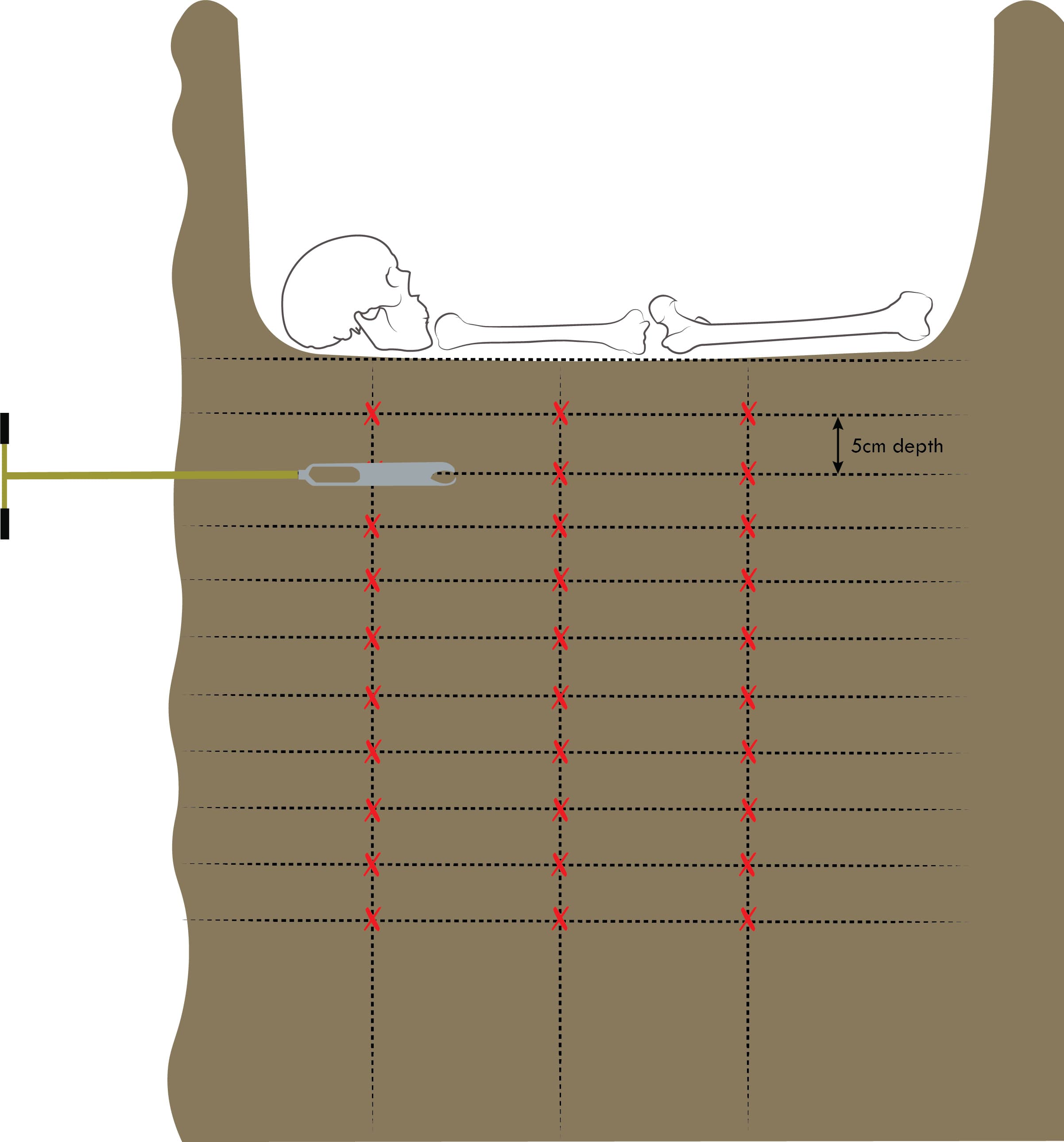
Cathy Ngọc Hân Trần: To be remembered: Reconnecting with ancestors through environmental DNA
Department of Archaeology, Faculty of Environment

February 11, 2026

Joanne Leow: Intertidal Archive: Sound, Art, and Text from Singapore, Hong Kong, and Vancouver
Department of English, Faculty of Arts and Social Sciences

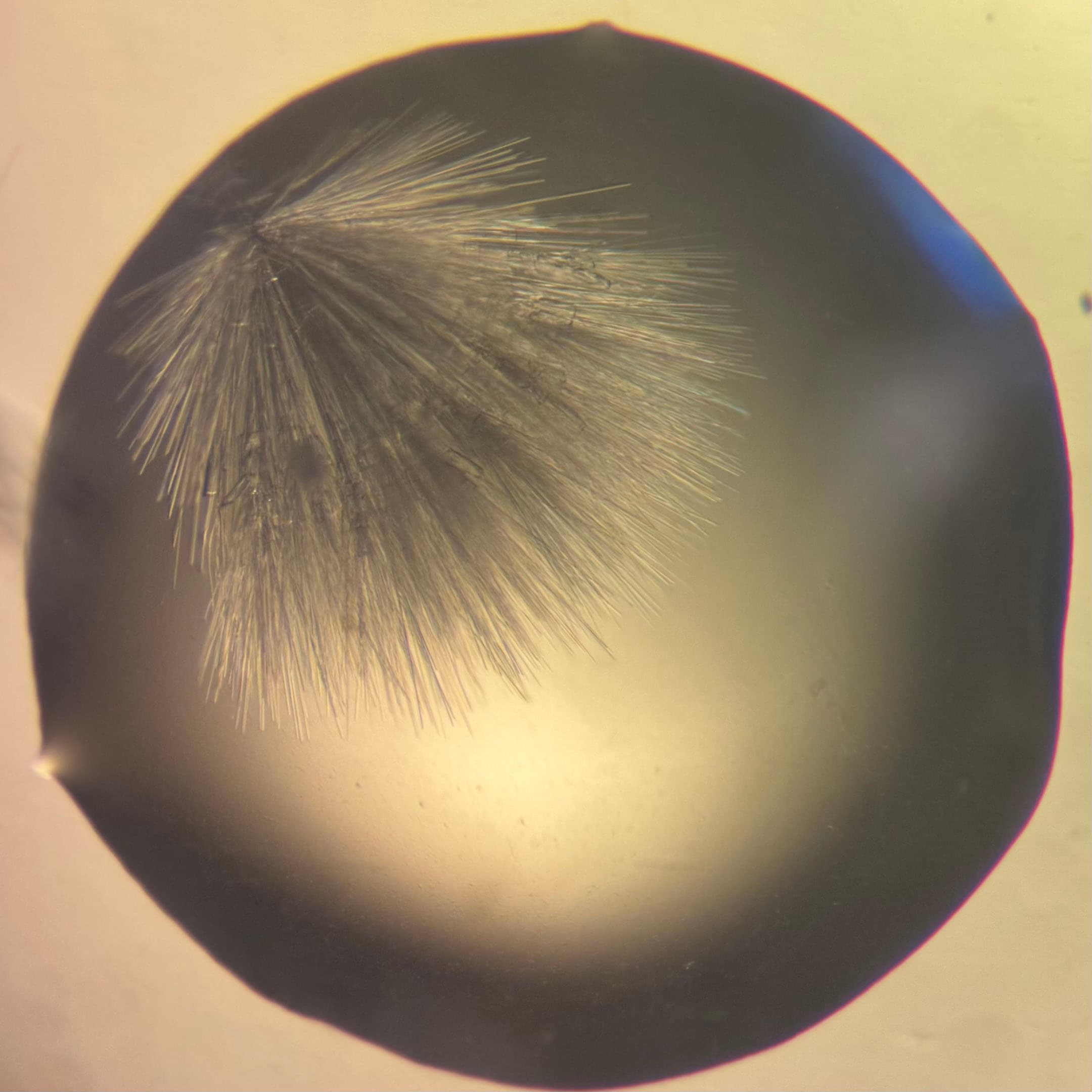
Jared Lim: Light, Diffraction, and Density: Capturing Atomic Resolution with X-Ray Crystallography
Department of Molecular Biology and Biochemistry, Faculty of Science

Contributors

  • WhiteFeather Hunter
  • Nat Begg
  • Naomi Keenan O’Shea
  • Blqees Zuhair
  • Roxanne Panchasi
  • Jean-Christophe Bélisle-Pipon
  • Cathy Ngọc Hân Trần
  • Joanne Leow
  • Jared Lim

Images (15)

Three glass bowls filled with colorful liquids are arranged on a black surface. The bowls are slightly tilted, revealing one with an orange liquid, one with a red liquid, and another with a clear liquid that has hints of red. A tube connects to each bowl, and vibrant colored lighting, primarily in pink, creates a glowing effect around them.
SFU Media
A close-up, circular image displaying a transparent, rounded surface with a bushy or bristle-like structure extending from one side. The structure appears fine and delicate, resembling hair, and is set against a softly blurred background with gradient hues of beige and light. The edges of the circle are slightly darker, contrasting with the central features.
A black and white image depicting a horizon with a faint light emerging at the center, suggesting a sunrise or sunset. The upper portion of the image is mostly dark with a gradual transition to a lighter area near the horizon, which is set against a darker landscape below.
SFU Media
A monochromatic image featuring several small irregular shapes resembling granular deposits or aggregates on a light surface. A wooden frame with intersecting beams is visible in the background, creating a grid-like pattern. The overall composition has a subtle sheen and a soft focus, emphasizing the textures of the shapes and the reflective quality of the surface.
Close-up view of a patch of sandy beach surrounded by rocks covered in clusters of oysters and green algae. The sandy area is small and partially wet, while the rocks display various textures and colors from marine growth.
SFU Media
A group of people is seated at a long wooden table in a modern, brightly lit room with large windows. The space features a simple wooden ceiling and is decorated with various framed artworks on the walls. Outside the windows, a bus is visible along with city buildings. The group appears engaged in discussion or work, with some individuals taking notes or using laptops.
A modern conference room featuring two people engaged in discussion. One person sits with their back to the viewer, while the other, facing the camera, speaks animatedly. A large screen displays information about "Ancient environmental DNA (eDNA)." The room has large windows providing natural light and a view of a cityscape outside. A wooden table holds laptops and papers.
A group of people is seated around a long wooden table in a bright, modern space. The walls are adorned with framed artworks, and a large screen displays text. Some individuals are engaged in conversation, while others appear to be listening or taking notes. Natural light is coming in through large windows.
A group of people is gathered around a wooden table in a brightly lit room. The wall behind them features several faded portraits. One woman stands at the front, holding a paper and speaking, while the others listen intently. A large screen displays text that reads "poor visibility: seeing algerian victims of the french bomb." The atmosphere appears collaborative and focused on discussion.
A group of people sit around a long wooden table in a modern meeting room with large windows. They are facing a screen displaying a map. The attendees are engaged in the presentation, with some having drinks and snacks on the table. The walls are decorated with simplistic artwork. The atmosphere is professional and collaborative.
A group of diverse individuals is seated around a long wooden table in a brightly lit room. They are engaged in a presentation, with one person gesturing towards a screen displaying information. The walls are adorned with several dark-toned portraits, and large windows allow natural light to fill the space. A variety of winter clothing is visible among the attendees.
A group of eight people is seated around a long wooden table in a bright room with large windows. They are engaged in a discussion, with one person at the front presenting using a laptop connected to a screen displaying an image titled "Coastline as a Living Archive." The walls are adorned with various artworks, partially obscured black-and-white portraits. Attendees are dressed in a mix of casual and some colorful outfits, with a variety of mugs and water bottles on the table.

WhiteFeather Hunter is a Canadian artist and researcher working at the intersection of feminist technoscience, textiles, and bioart. She holds a PhD in Biological Art from The University of Western Australia and an MFA in Fibres and Material Practices from Concordia University. Currently a SSHRC Postdoctoral Research Fellow at Simon Fraser University’s School of Interactive Arts & Technology, her research investigates biofabrication as a feminist craft practice. Hunter is invited to exhibit and lecture internationally, presenting projects that merge tissue engineering, microbial dyeing, and weaving to question how bodies, materials, and technologies can be reimagined through ethics of care, repair, and transformation.

Nat Begg (she/they) is an English-born MA anthropology student at Simon Fraser University. She has written about zines as a dissident print culture, hip-hop clowns in the Midwest, and urban gift economies in the alleyways of Vancouver. Her current thesis research focusses on tea plantations, imperial landscapes, and the radical possibilities of landslides in South India.

Naomi Keenan O’Shea is a PhD candidate in the Department of Geography, whose research explores religious, colonial, and capitalist power and the intersections of gender, property, and the carceral in the context of Ireland. She has a background in film and gender studies and was born and raised in Dublin, Ireland.

Blqees Zuhair is a Libyan multidisciplinary artist and curator based in Vancouver. Her practice integrates architectural methods, photography, and built heritage to explore how space and social life are shaped by context and memory. Currently pursuing an MA in Contemporary Arts at Simon Fraser University, she holds a BA in Architecture from ARCHIP, Prague (2018). Formerly with Waraq (Tripoli), she co-curated Kashkoul of Collective Resistance and Shifting Sands. Her ongoing project The Shore is the Land (2019–present) examines migration and indigenous rituals along Libya’s coast. In 2022, she founded Damous, a research studio documenting Libya’s urban landscapes.

Roxanne Panchasi is an Associate Professor of History at SFU who specializes in France and empire after 1945. She is the author of Future Tense: The Culture of Anticipation in France Between the Wars (Cornell University Press, 2009), and the founder of "New Books in French Studies, " a podcast channel on the New Books Network that she hosted for over a decade. Her work explores a wide range of themes: memory and futurity; military and environmental culture and crisis; history pedagogy; experimental and documentary cinema; and popular music. Her research on the "French bomb" in empire has appeared in History of the Present, Jadaliyya, French Fiction and Film for Scholars of France, and Apocalyptica: the Journal of the Centre for Apocalyptic and Post-Apocalyptic Studies.

Jean-Christophe Bélisle-Pipon is an assistant professor in health ethics at Simon Fraser University’s Faculty of Health Sciences. His research addresses the ethical and societal impacts of emerging technologies, particularly medical AI, data governance, and vocal biomarkers. Dr. Bélisle-Pipon develops practical frameworks that embed ethical oversight directly into the innovation

lifecycle. His work aims to shift the practice of ethics from a reactive, compliance-focused hurdle to a proactive, integrated part of designing and implementing responsible health technology. He champions this embedded approach as a form of "productive friction," a necessary force to ensure deliberation and guide innovation toward more responsible outcomes.

Cathy Ngọc Hân Trần (she/her) is a doctoral candidate in the Archaeology Department, Vanier Scholar, and Trudeau Foundation Scholar. She is co-supervised by Dr. Hugo Cardoso and Dr. Dongya Yang. Born to an immigrant mother and refugee father, Cathy’s life journey is built upon the legacy of her fractured Vietnamese community, whom she carries into her work. Drawing from the legacy of the war in Vietnam, she aims to support victim identification efforts through her research, which explores the recovery of human DNA from grave sediments as a non-destructive and culturally respectful method for victim identification.

Joanne Leow is Associate Professor and Tier 2 Canada Research Chair of Transnational and Decolonial Digital Humanities in the Department of English at Simon Fraser University. Her first monograph is Counter-Cartographies: Reading Singapore Otherwise (Liverpool University Press, 2024). Her hybrid critical/creative memoir Exhumations: In the Body of a Petrostate will be published by Alchemy Press in 2026. Her ecocritical SSHRC-funded project Intertidal Polyphonies includes short films, photography, field recordings, and roundtables with writers and artists from Hong Kong, Singapore, and Vancouver. Her research interests include the environmental humanities, transnational and diasporic cultural production, global Asia studies, autotheory, and decoloniality.

Jared Lim is a Master's student in the Department of Molecular Biology and Biochemistry. Before starting his graduate studies at SFU, he completed his Bachelor of Science in Biochemistry with a minor in Chemistry. His current project investigates drug resistance in SARS-CoV-2 by using different techniques to observe the structure and function of proteins. Jared is fascinated by the beauty and complexity of biological systems at a molecular level and enjoys the challenge of describing his work to his friends and family.